
God’s Kingdom – Yours?
God’s kingdom is more than a future hope: it is at work today. What does it mean to follow Jesus as King, show His love and act with the authority He gives?
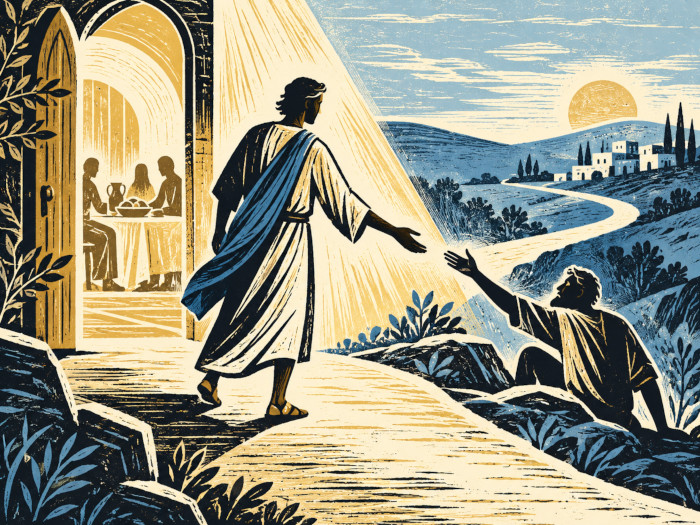
With Jesus, God began to fulfil His Old Testament promises of His kingship (Dan 7:13–14; Mark 1:14–15). Jesus proclaimed God’s kingdom and made it visible through signs, deliverance and healing (Matt 4:23–24; 12:28). God’s kingdom has begun, but is not yet complete: the powers of evil have been decisively defeated, yet injustice, suffering, sickness and death remain (Col 2:15; 1 Cor 15:25–26). Wherever God rules, their effects are already being pushed back: people are reconciled, changed, healed and set free. Whoever is saved through Jesus is rescued from the power of darkness and brought into His kingdom (Col 1:13–14). This begins a life under God’s rule. It does not mean Christians always obey Him, or do so perfectly. But anyone who fundamentally refuses to accept the King’s authority contradicts the very nature of His kingdom (Luke 6:46). If you belong to Jesus, God has brought you into His kingdom. The question is: How much do you actually allow the King to rule your life – and to work through you?
God is love (1 John 4:8,16), and His kingdom expresses that love (John 3:16). This love is not merely an abstract idea. Through the Holy Spirit, God gives Christians His love (Rom 5:5), so they can do more than tolerate others: they can love them – even their enemies (Matt 5:43–48). What would our world look like if there were more love and less hatred, selfishness or hunger for power? Love for one another is a distinguishing mark of Christians (John 13:34–35) – or at least it should be. It does not come from human effort alone, but is fruit of the Holy Spirit (Gal 5:22). Yet Christians must also put it into practice (1 John 3:18). Jesus was moved by people’s suffering and distress and helped them (Matt 9:36; 14:14). So God’s kingdom is seen not only in extraordinary events but also in daily life: in how people handle relationships, money, conflict and responsibility. For God’s kingdom is righteousness, peace and joy in the Holy Spirit (Rom 14:17). Living in God’s kingdom means making love for God and others visible, tangible and real.
Out of love, God invites people into His kingdom. In the parables of the great banquet (Luke 14:15–24) and the royal wedding feast (Matt 22:1–14), many invited guests do not come. Some make excuses based on perfectly legitimate commitments; others ignore the invitation or even mistreat and kill the king’s messengers. The hosts react angrily and invite others instead. In the wedding parable, a guest without suitable wedding clothes is even thrown out. God’s invitation is generous, but it calls for commitment. First, it is about accepting His invitation to salvation and a relationship with Him. But Christians, too, can reject what God asks of them and use other priorities as excuses. Jesus assures His disciples that God wants to give them His kingdom (Luke 12:31–32). Living in God’s kingdom means wanting it and consciously saying yes to it.
The idea that God overlooks every wrong out of love is false. He is just (Ps 89:14), holy (Isa 6:3) and Lord (Ps 47:7–8). These qualities do not conflict with His love. Love and grace therefore do not mean wrongdoing has no consequences. Jesus had to die for people’s sins – that should never be played down (Luke 24:26; 1 Pet 2:24). In the parable of the prodigal son (Luke 15:11–32), it is often overlooked that the younger son squandered his entire inheritance and had to face the consequences. Yet his father lovingly welcomed him back when he repented. It is wrong to pit love and grace against God’s rule and justice. Hebrews warns against persistent, deliberate sin and against treating Jesus’ sacrifice and the Spirit of grace with contempt (Heb 10:19–31). Paul warns that the unrighteous will not inherit God’s kingdom (1 Cor 6:9–11; Gal 5:19–21). This does not mean Christians can no longer sin or fail (1 John 1:8–2:2). But there is a significant difference between struggling with sin and knowingly clinging to it while rejecting God’s rule. God’s grace is no licence to disobey; it is meant to transform lives (Titus 2:11–14). Living in God’s kingdom means making God’s righteousness, not our own, the standard and allowing Him to rule.
Love for Jesus is also shown by keeping His commands (John 14:15). His call to put God’s will and kingdom first (Matt 6:33) comes into tension with legitimate needs such as earning a living, food and clothing. Life today is complicated, and good, important things can easily distract people from what God wants of them and wants to do with them. But God’s kingdom is primarily about what God wants – not what people want. Jesus sets high standards for His followers: they must no longer build their lives around their own desires, but follow their calling even when it costs them, and let Jesus lead them (Mark 8:34; Luke 9:23; 14:25–33). Living in God’s kingdom means obeying God as King.
Some Christians wear themselves out working for God and others. Saying no is seen as unchristian. Yet even Jesus withdrew from people in need to pray or continue His mission elsewhere (Mark 1:35–38; Luke 5:15–16). God does not want mere busyness. He wants people to work with Him in what He is doing. Jesus did not act independently but relied on the Father (John 5:19,30). For Christians, this means first recognising what God has already prepared for them (Eph 2:8–10) – everyday responsibilities, practical love for others and supernatural tasks. God guides directly through His Holy Spirit (Rom 8:14), or indirectly through other Christians, the Bible, spiritual discernment and responsibilities already recognised (James 4:17). Living in God’s kingdom means recognising what God has prepared and doing it with Him.
Anyone working with God should know who they are in Christ and what authority He has given them. Jesus sent His disciples to proclaim the kingdom and make it visible through healing and deliverance (Luke 9:1–2; 10:9). Even today, the Holy Spirit gives gifts and empowers Christians in different ways (1 Cor 12:7–11). Paul places love above spiritual gifts, yet expressly urges Christians to seek and use them actively (1 Cor 13:1–3; 14:1,39). In spiritual ministry, Christians stand on two legs: faith means trusting God; authority means acting with the authority Jesus gives. This authority is not their own: as Christ’s ambassadors, they represent His purposes (2 Cor 5:20). Taking responsibility also means asking God to act, for some things do not happen because Christians do not ask (James 4:2; John 16:23–24). Yet they can neither perform miracles by their own power nor guarantee them (Acts 3:12,16). Even Jesus’ disciples failed to drive out a demon, but Jesus continued to teach them (Mark 9:28–29). When a miracle does not happen, the response should be to keep learning, not give up. Living in God’s kingdom means trusting God and acting boldly, responsibly and lovingly with the authority He gives.
As a Christian, you can live in God’s kingdom. Do you know that? Do you believe it? And if so, what difference does it make to your life?
“God’s Kingdom – Yours?” does not mean the kingdom belongs to you, but that God’s rule becomes a reality in your life. Your responsibility is to listen to the King, trust Him and act accordingly. God remains the Lord: He sets the direction, guides and empowers you, and does what only He can do.